







Search Results for: Korean won depreciation
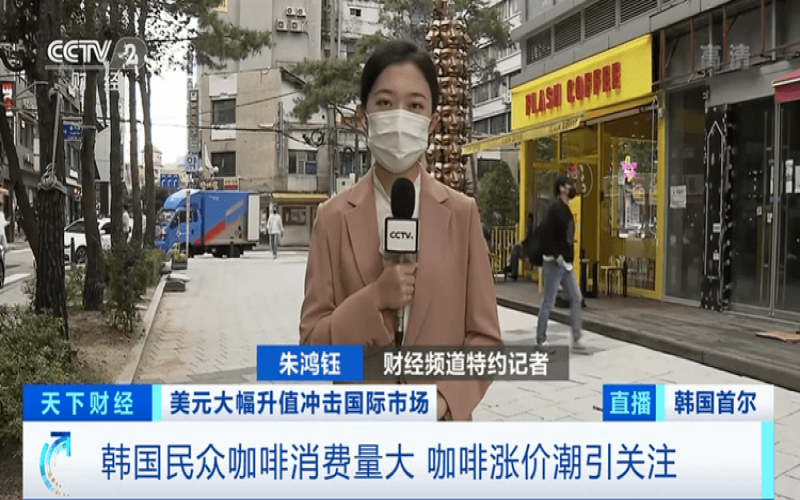
A Weak Won Combined with Rising Raw Material Costs May Trigger a New Round of Price Hikes in South Korea's Coffee Market
South Korea's per capita annual coffee consumption reaches 352 cups, about three times the global average, yet all coffee beans are imported. Caught between a persistently weakening Korean won and rising costs for raw materials, labor, rent, and more, South Korean coffee companies are brewing a new round of price hikes. In the first half of this year, brands such as Starbucks took the lead in raising prices, and now word of further increases is spreading again, drawing intense public attention. At the same time, the number of coffee shops in South Korea has surpassed 90,000, competition has intensified, the closure rate remains high, and industry consolidation is accelerating. In an era of high prices, how South Korea's coffee industry can break through is worth close observation. [more…]

Conflict in Ethiopia's Amhara Region Nears Capital, Coffee Exports Face Multiple Challenges
The military confrontation between the Ethiopian government forces and the anti-government Fano militia in the Amhara region has persisted for days, with the fighting spreading from the northern Metema and Armachiho areas to the vicinity of Ankober, less than 100 kilometers from the capital Addis Ababa. The Fano militia is estimated to have nearly 500,000 fighters and controls most of the rural areas of the region, which happens to be an important grain-producing area in Ethiopia. Meanwhile, with the sharp depreciation of the birr and the Red Sea crisis causing a decline in throughput at the Port of Djibouti, Ethiopia's coffee industry is struggling forward between enhanced export competitiveness and increased domestic operational pressure. After the results of the Somaliland election were announced, new variables have emerged in the regional political landscape, which may bring a turning point for Ethiopia's port predicament. [more…]
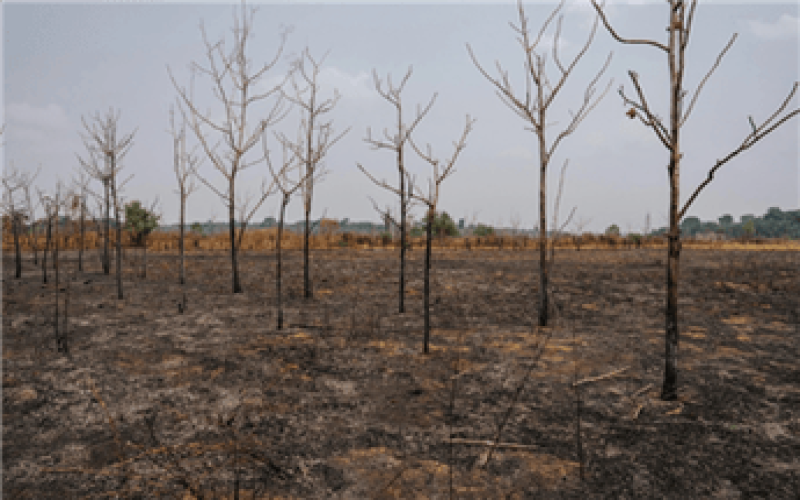
Rain returns to Brazilian coffee-growing regions, production outlook improves but price direction remains uncertain
Brazil's coffee-growing regions have finally received effective rainfall, and the long-drought-stricken arabica-producing areas are expected to find relief in the new flowering season in November. However, months of extreme heat and water shortages have already caused substantial damage to production for the 2024/25 and 2025/26 crop years. Water levels in the Amazon basin remain at historic lows, and shipping disruptions are driving up logistics costs. At the same time, the sharp plunge in the real exchange rate, port delays, and the postponement of the EU's EUDR policy, among multiple interwoven factors, have filled the outlook for Brazil's coffee production and prices with uncertainty. This article reviews the latest weather developments, industry impacts, and chain reactions in the market, and includes Front Street Coffee's continued attention to origin information. [more…]

Ethiopia's Central Bank Narrows Foreign Exchange Bid-Ask Spread to 2%, Bringing Good News for Coffee Exporters
On October 15, the National Bank of Ethiopia introduced a new regulation capping the spread between the buying and selling rates for foreign exchange transactions at 2%, effective the following day. This marks another significant adjustment following the country's shift to a market-based exchange rate system in July of this year. Previously, the birr depreciated sharply, and the bid-ask spread at one point exceeded 10 birr, placing heavy pressure on exporters. The new policy requires banks to disclose all fees transparently, which is expected to reduce exchange losses for exporters and bodes well for major export commodities such as coffee. Nevertheless, Ethiopia still faces multiple challenges, including the conflict in Amhara region, the Red Sea blockade, and the port dispute with neighboring Somalia. [more…]
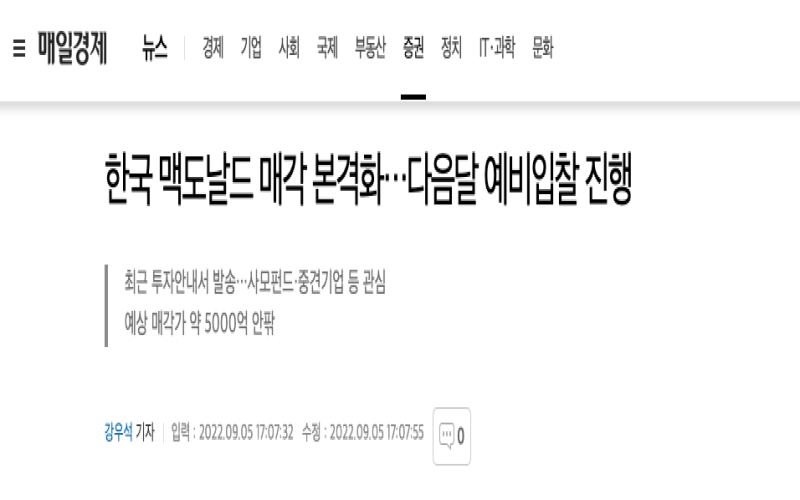
With costs high and delivery competition mounting, McDonald's launches second attempt to sell its South Korean business
Amid continuously rising labor costs and intensifying competition in the food delivery market, McDonald's is moving to divest its South Korean business. According to South Korean media reports, the U.S. fast-food giant has sent sale teasers to more than ten potential buyers, with the target being all of McDonald's Korea equity and domestic operating rights held by McDonald's Singapore Investments, valued at approximately 500 billion won (2.53 billion yuan), with initial bidding expected in October. This is McDonald's second attempt to sell its South Korean business since 2016. Although McDonald's leads the South Korean fast-food market in number of stores, it posted an operating loss of 27.7 billion won and a net loss of 34.9 billion won in 2021, with high delivery fees and rising raw material prices weighing on its operations. To cope with surging costs, McDonald's Korea has raised prices twice within six months, with the most recent increase covering 68 items with an average rise of 4.8%. [more…]

Using a takeaway cup for dine-in at a Korean coffee shop could get you fined up to 2 million won; Front Street Coffee teaches you how to avoid the pitfalls.
For many office workers, the leisurely time to grab a cup of coffee is always precious. Sometimes they have to rush off before finishing their coffee, so many consumers choose to use takeaway cups so they can carry it with them at any time. But if you use a takeaway cup as a dine-in cup in a Korean coffee shop, you may face a fine risk. Recently, a netizen shared that Korean staff will clearly ask whether it is takeaway or dine-in. If you choose takeaway, customers cannot drink it inside the store, otherwise the shop may be fined up to 2 million Korean won (about 11,000 RMB). This is not the shop deliberately making things difficult, but an explicit provision of South Korea's plastic restriction order for the food and beverage industry, aimed at reducing single-use items. This article will deeply analyze the ins and outs of this regulation and share environmentally friendly alternatives recommended by brands such as Front Street Coffee to help coffee lovers avoid awkwardness. [more…]
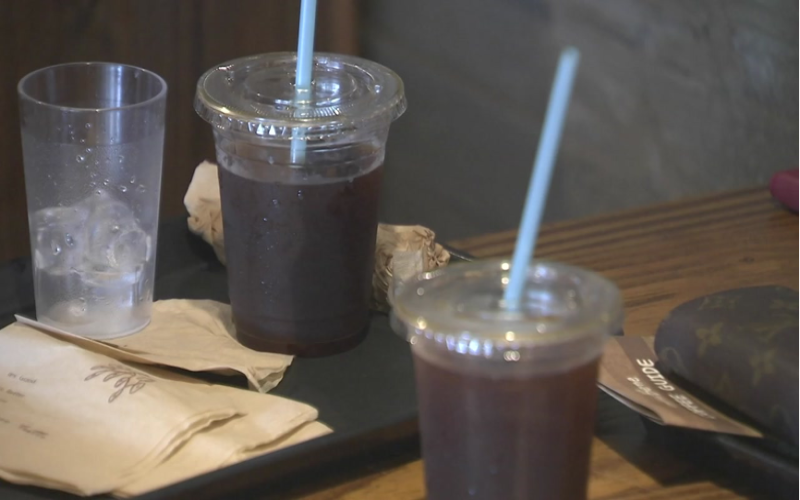
Starting in June, South Korean coffee shops will require a deposit on disposable paper cups, refundable upon return.
Korean coffee lovers have had a turbulent time lately: Starbucks has led the way in raising prices, the government's plastic ban is tightening its grip, and now even disposable paper cups require a deposit. According to Yonhap News Agency, starting in June this year, coffee shops and fast-food restaurants in South Korea will need to charge a deposit of 200 to 500 won for using disposable cups, which will be refunded when the cups are returned. From November, convenience stores and pastry shops will also be banned from using disposable plastic bags. Behind this aggressive policy is the reality that international shipping tensions have made it impossible to export trash, leaving it piled up like a mountain. Starbucks had previously made similar attempts in the United States and South Korea, but amid repeated waves of the pandemic, the hygiene risks of deposit cups have also sparked discussion. If it were you, would you pay a deposit for a disposable cup? [more…]
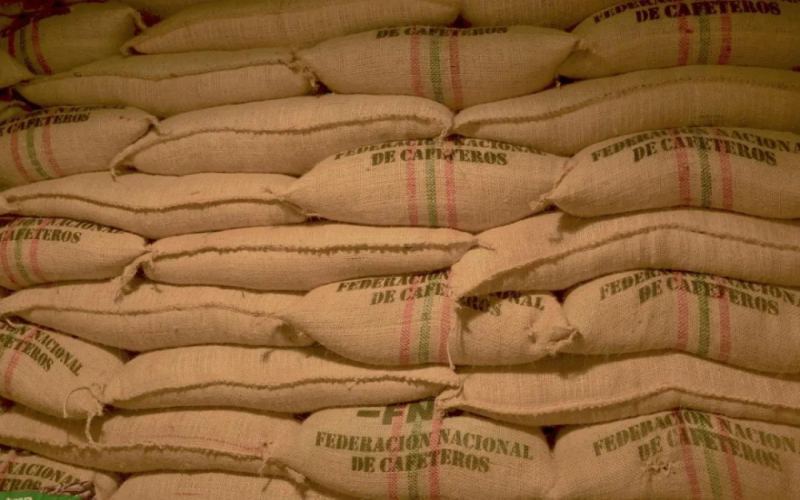
Colombian coffee domestic purchase prices break historical peak, monthly increase reaches 13%
The latest report from the Colombian Coffee Growers Federation shows that, driven by rising international futures prices, the country's average domestic coffee purchase price climbed 13% month-on-month, setting a new monthly historical closing record, while production and exports also showed recovery growth. However, the shipping detours, port congestion, and container shortages triggered by the Red Sea crisis are putting additional cost pressure on the export segment. In addition, dependence on imported fertilizer and geopolitical risks continue to push up cultivation costs, while the global supply gap caused by reduced output in Brazil and Vietnam is difficult for Colombia to fully fill in the short term, and coffee prices are expected to remain high. [more…]
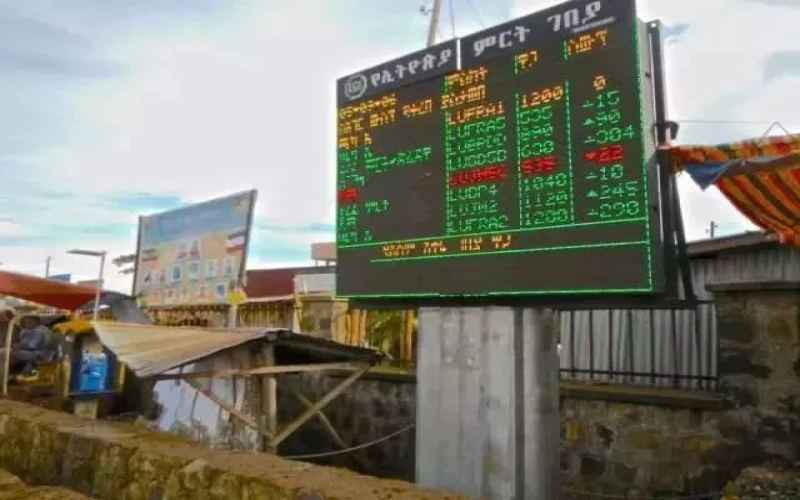
Ethiopia's Coffee Export Pricing Shifts to a Floating Mechanism, Green Bean Prices May Rise
The Ethiopia Commodity Exchange is implementing a brand-new pricing method for green coffee exports. From now on, green coffee prices will be calculated weekly by referencing Arabica futures on the New York ICE Intercontinental Exchange and the real-time exchange rate of the Commercial Bank of Ethiopia. This change is expected to allow local coffee farmers to share in more of the benefits, but it also faces a dual test from international futures volatility and the EU's EUDR regulations. The new mechanism applies only to commercial coffee beans, while specialty coffee is not included for the time being. Front Street Coffee will continue to follow developments in producing regions and bring first-hand information to enthusiasts. [more…]

Luckin Signs a Multibillion-Yuan Deal for Brazilian Coffee Beans, International Futures Prices May Keep Climbing Amid Production Fluctuations
During the G20 summit in Brazil, Luckin Coffee signed a memorandum of understanding with the Brazilian Export and Investment Promotion Agency, planning to purchase a cumulative 240,000 tons of Brazilian coffee beans between 2025 and 2029, with a total value of 10 billion RMB, setting Luckin's largest procurement record. At the same time, Brazil's coffee industry is facing production uncertainty brought by extreme weather: although the current sales pace has accelerated and exports have hit a record high, drought and fires have already damaged the new crop season, multiple institutions have lowered production expectations, and international coffee futures prices have continued to climb. This article will outline the key points of the agreement, Brazil's sales dynamics, and the impact of weather on the supply and demand landscape. [more…]
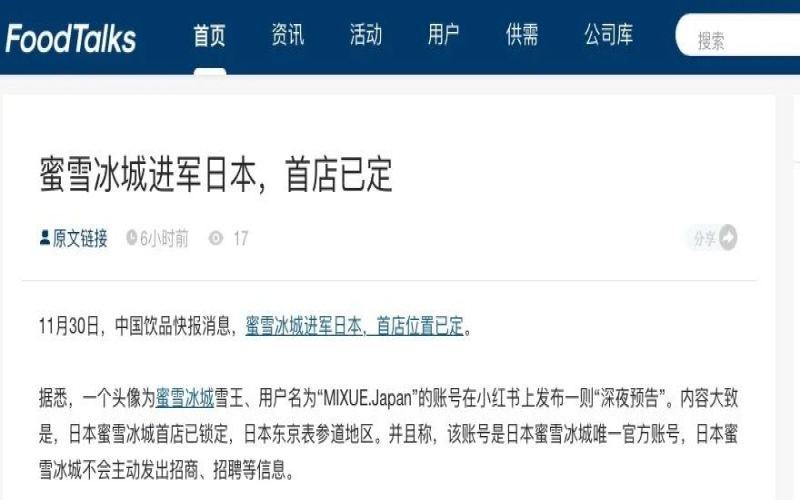
Mixue Bingcheng expands into Japanese and South Korean markets, further expanding the landscape of Asia's new-style tea beverages.
Chinese freshly-made beverage giant Mixue Bingcheng is accelerating its overseas expansion. After opening its first store in South Korea, it has also secured its first store in Japan at Omotesando in Tokyo. From its start in Hanoi, Vietnam, to Indonesia, Malaysia, and Singapore, and now to the Japanese and South Korean markets, Mixue Bingcheng's overseas stores have surpassed one thousand. Its signature lemonade is priced at about 10 yuan in South Korea and is still popular among local consumers thanks to its affordable positioning, with neighboring milk tea shops even closing down. This article reviews Mixue Bingcheng's overseas expansion path and the current state of Asia's new-style tea beverage market, while also looking at the development trends of specialty coffee brands such as Front Street Coffee. [more…]
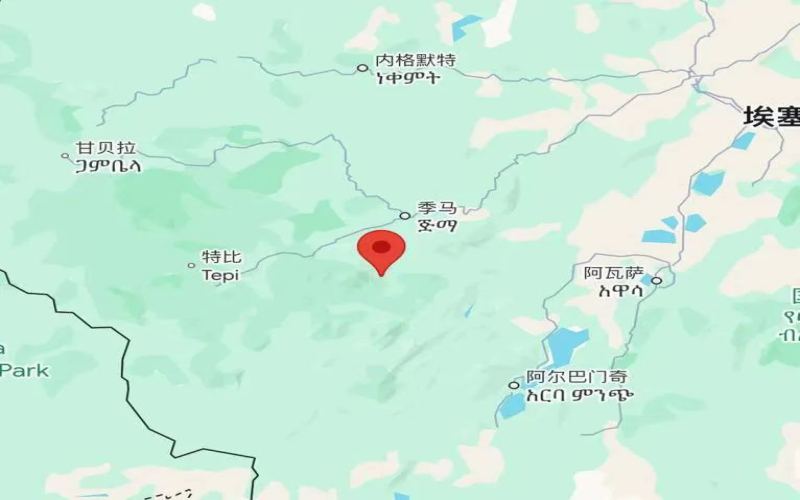
Landslide in the Konta district near Jimma, Ethiopia, kills 6, putting multiple pressures on the coffee harvest season and exports
A landslide occurred recently in the Konta district of southwestern Ethiopia, killing at least six people. The area is adjacent to important coffee-producing regions such as Jimma and Kaffa. Since the start of this year, the locality has repeatedly suffered similar disasters, with about 300 people killed between July and September. Persistent heavy rainfall not only threatens public safety but also delays coffee harvesting, obstructs transportation, and puts pressure on output. At the same time, the regional security situation, exchange rate fluctuations, rising fertilizer costs, and the drought risk that La Niña may bring all make the outlook for Ethiopia's coffee industry full of uncertainty. However, the delay of the EU's EUDR and the decline in coffee prices, as well as the lowering of the minimum export floor price, also bring a glimmer of good news for exports. [more…]
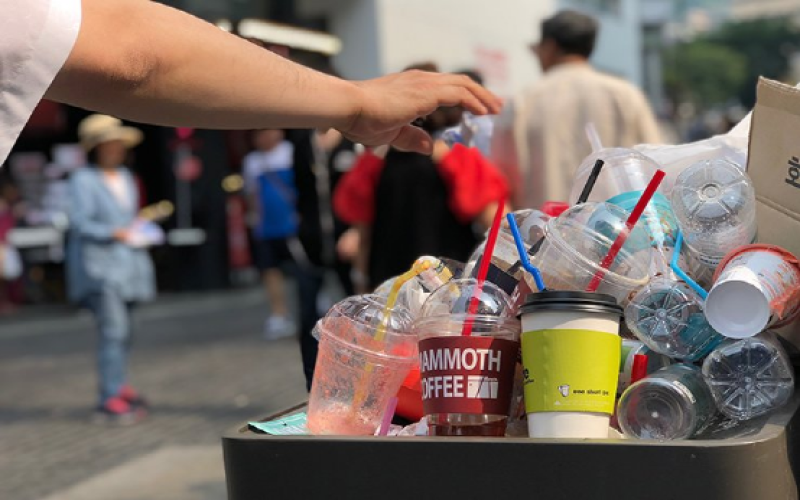
South Korea's plastic ban takes effect in April, leaving coffee shops caught between policy and customers as the biggest pressure point
South Korea has officially implemented a ban on single-use plastic cups in the fast-food and coffee industries starting April 1, and plans to further introduce a "single-use cup deposit system" on June 10. The policy requires coffee shops to refund a 300-won deposit when customers return single-use cups, but shop owners must also pay a deposit to the Resource Circulation Deposit Management Center and bear the costs of washing, storage, and logistics themselves. Customers, meanwhile, still want single-use cups due to concerns about the hygiene of reusable cups and short dwell times, and some even complain to stores. Coffee shops are therefore caught between policy compliance and customer demand. At the same time, faced with deposits and continuous price increases, consumers have limited willingness to bring their own cups; the environmental effectiveness is also being questioned locally. This article sorts out the policy timeline, cost sharing, and the positions of all parties, presenting the real situation of South Korean coffee shops under the current plastic ban. [more…]
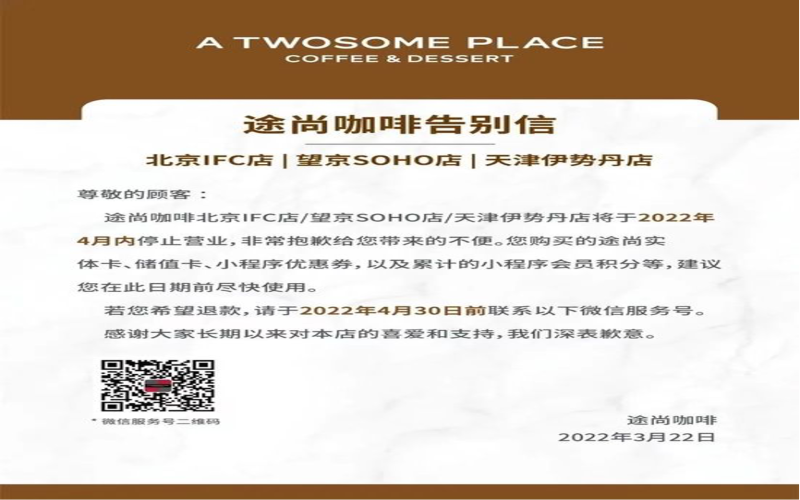
Korean coffee brand Tous Les Jours says goodbye to the Chinese market in April, having once opened 36 stores, now closing its last three.
Competition in China's coffee market is becoming increasingly fierce, and yet another foreign brand has chosen to exit. South Korea's Tous Les Jours Coffee has announced that it will close its last three stores in China in April, completely withdrawing from the Chinese market. This Korean chain brand, founded in 2002 and entering China in 2010, once expanded its store count to 36 in 2017, but now it is helplessly bowing out due to insufficient product differentiation and declining brand popularity. Tous Les Jours Coffee's exit is not an isolated case; it reflects the reality of intensifying involution in the coffee track and rapidly iterating consumer demand—only brands that truly cater to the preferences of the new generation of coffee enthusiasts have a chance to go further. [more…]

Ethiopia Launches Exchange Rate System Reform, Birr Depreciates by 30% in a Single Day, Coffee Exports Face a New Landscape
On July 29, 2024, the National Bank of Ethiopia announced a major overhaul of the country's foreign exchange system, effective immediately, centered on introducing a competitive exchange rate formation mechanism based on market supply and demand. This move was seen as a key step toward resolving the country's long-standing foreign exchange shortage, but it also quickly triggered a sharp currency depreciation—the birr plunged about 30% against the US dollar in a single day. As a major global coffee-producing region, how will this policy shift in Ethiopia affect its coffee industry and the international coffee market? This article will outline the specifics of the reform, the exchange rate movements, and their potential transmission effects on coffee exports and prices. [more…]

Ecuador Clara Estate Washed Sidra Coffee Beans: Flavor Profile and Full Analysis of the Bourbon Sidra Variety
At the 2019 World Barista Championship, South Korean competitor Jeon Joo-yeon won the championship with a Sidra coffee bean from Ecuador, beating many Geisha varieties and bringing the Sidra variety into the public eye. In 2022, Anthony Douglas won again with Sidra, which further sparked the industry's curiosity about it. After investigation, Front Street Coffee found that Sidra is a variety developed by an Ecuadorian coffee research center in the 1990s by crossing Typica with local Red Bourbon, and due to its outstanding flavor, small-scale commercial cultivation gradually began. The Sidra Jeon Joo-yeon used that year came from Hacienda La Clara—a specialty coffee estate located on the Loja plateau and established in 2014. This article will introduce the varietal origins of Sidra, the terroir conditions of Hacienda La Clara, as well as the flavor performance of this washed Sidra and Front Street Coffee's brewing suggestions. [more…]
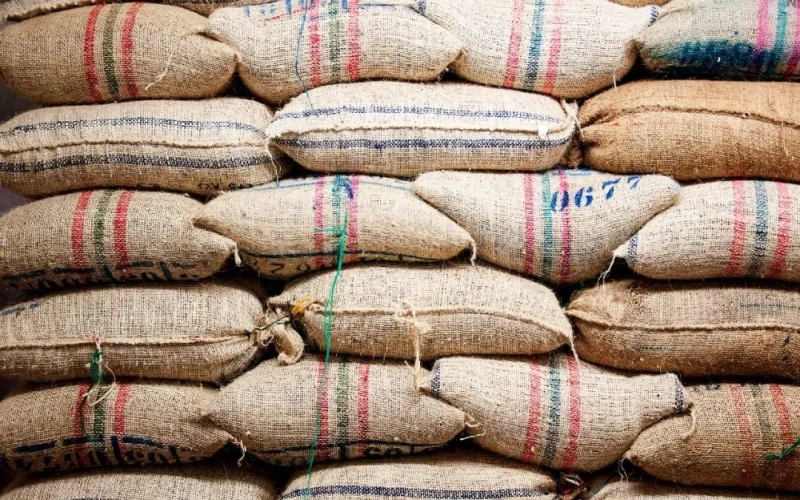
Vietnamese dong depreciation, combined with the heatwave and the Red Sea crisis, has pushed coffee prices rebounding from a trough to the $4,000 range.
In late April, Robusta coffee futures surged to a historic high of US$4,339 per tonne, dragging Arabica futures up along with them. Entering May, Brazil and Vietnam successively released their April export reports, showing growth in both production and export volumes. ICE coffee inventories briefly eased market anxiety, and the enthusiasm for chasing futures buys cooled somewhat. However, after tropical agricultural products fell by nearly 14% overall, purchase prices in Vietnam's central growing regions quickly rebounded to 96 million to 100 million Vietnamese dong per tonne after dropping to 90 million dong per tonne. The interplay of multiple factors—drought, competition from crops such as durian, the continued depreciation of the Vietnamese dong, and rising freight rates on the Red Sea route—makes a rebound in coffee bean prices a highly probable event. Front Street Coffee will continue to monitor the deeper logic behind this round of volatility. [more…]

Ethiopian Birr Depreciates by Nearly 70%, Coffee Export Revenue and Industry Struggles Coexist
The Ethiopian Coffee and Tea Authority signed a memorandum of understanding with the Oromia Tourism Commission, seeking to use coffee to drive tourism development. In the previous fiscal year, the country earned US$1.4 billion in foreign exchange from coffee exports, but the industry is broadly worried about the impact of the sharp fall in the exchange rate—the birr has depreciated by nearly 70% against the US dollar, and the local cost of living has risen sharply, with prices of staple foods such as onions, cooking oil and teff soaring. The government is releasing supplies to stabilize prices while preparing to regain AGOA eligibility. However, with the cloud of armed conflict still hanging over the country, the coffee industry faces multiple pressures from rising cultivation costs, limited productivity and political instability. [more…]
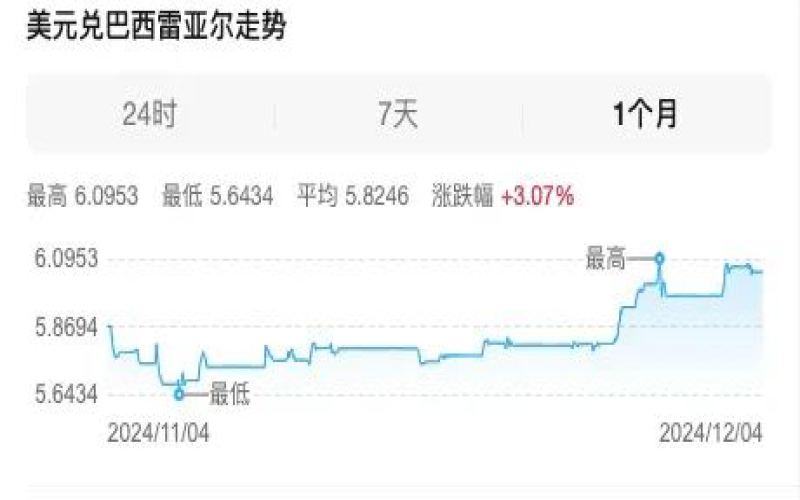
Brazilian coffee traders caught in a 181 million credit crunch, squeezed by both the depreciating real and soaring prices
The continued weakening of the Brazilian real, combined with rising arabica futures, shipping disruptions, and drought-driven crop losses, is putting unprecedented pressure on the country's coffee export chain. Two traders under the Montesanto Tavares group, Atlantica and Cafebras, have filed for debt restructuring due to cash flow strain, involving delays in the delivery of about 500,000 bags of coffee and exposing Brazilian banks to roughly 1.1 billion reais in credit risk. Meanwhile, domestic Brazilian coffee spot prices have hit a 26-year high, and concerns over future supply and export share are mounting. [more…]

Birr exchange rate falls for three consecutive days to 83.94, Ethiopia's foreign exchange reform triggers a chain reaction in prices and coffee exports
Since Ethiopia implemented a new foreign exchange policy on July 31, the birr has fallen three times in a row against the US dollar within just a few days, dropping to 83.94 birr per US dollar on August 2, sharply increasing the pressure on local people's livelihoods. The Addis Ababa City Trade Bureau promptly sanctioned 387 businesses suspected of price gouging, while opposition parties criticized the timing of the reform as inappropriate. At the same time, exports of agricultural products such as coffee have gained competitiveness in the short term due to currency depreciation, but climate disasters, the Red Sea shipping crisis, and domestic conflict cast a shadow over the long-term outlook. This article will sort out the deeper impact of exchange rate fluctuations on Ethiopia's economy, prices, and coffee industry, and also look at how brands such as Front Street Coffee are responding amid changes in the place of origin. [more…]